
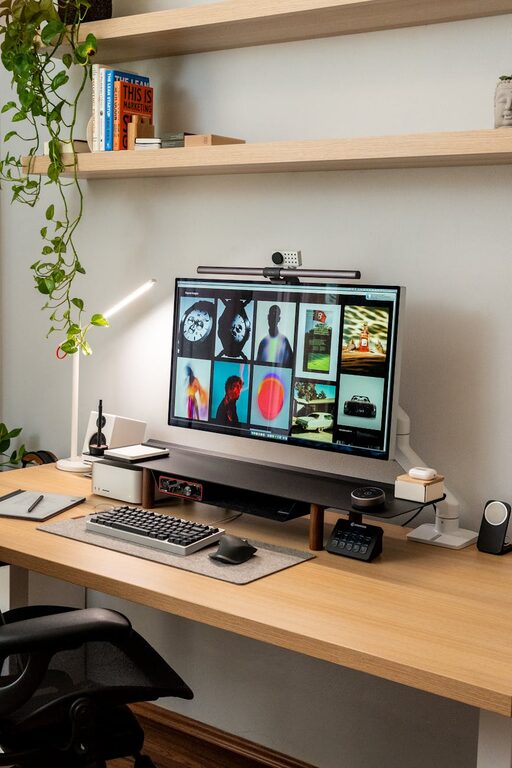
Creating a relaxing home workspace is more important than ever, especially as many people continue to work remotely. A calm and comfortable environment can help reduce stress, improve focus, and make your workday more enjoyable. Whether you have a dedicated room or just a small corner, there are plenty of ways to transform your space into a relaxing haven. In this post, we’ll explore practical tips to design a workspace that promotes tranquility and productivity.
Why a Relaxing Workspace Matters
Your environment has a big impact on how you feel and work. A cluttered or uncomfortable area can increase anxiety and distract you from your tasks. On the other hand, a well-designed space helps you stay organized, clear-headed, and motivated. By intentionally creating a relaxing workspace, you set the stage for better mental health and improved work results.
Step 1: Choose the Right Location
Selecting the best spot for your workspace is the foundation. Here are some things to consider:
– Natural Light: Try to position your desk near a window to benefit from natural light, which boosts mood and energy.
– Quiet Area: Pick a place with minimal noise and interruptions to maintain focus.
– Space Availability: Make sure there’s enough room for your desk, chair, and necessary equipment without feeling cramped.
If space is limited, even a small nook or a section of a room can be set up effectively.
Step 2: Invest in Comfortable Furniture
Comfort is key to long hours spent productively. Focus on these essentials:
– Ergonomic Chair: Choose a chair that supports your back and encourages good posture.
– Sturdy Desk: Select a desk at the right height for your tasks; adjustable desks are great if you want to alternate between sitting and standing.
– Footrest: Consider a footrest to reduce leg strain if your feet don’t reach the ground.
Comfortable furniture reduces fatigue and helps you remain focused longer.
Step 3: Organize and Declutter
A clutter-free workspace contributes to a calm mind. Here’s how to keep things tidy:
– Use Storage Solutions: Use shelves, drawers, and organizers to keep supplies neatly out of sight.
– Limit Items on Desk: Keep only essential tools on your desktop to avoid distractions.
– Daily Clean-up: Spend a few minutes at the end of each day clearing your desk.
Organized spaces help reduce stress and make it easier to find what you need.
Step 4: Soften the Space with Colors and Decor
Colors and decor influence how you feel. Choose elements that promote relaxation:
– Calming Colors: Soft blues, greens, and neutrals create a peaceful atmosphere.
– Personal Touches: Add a few meaningful items like photos or artwork that inspire you without cluttering the area.
– Plants: Indoor plants improve air quality and bring a touch of nature, which can reduce stress and refresh the space.
Be mindful not to overdecorate; simplicity tends to enhance relaxation.
Step 5: Manage Lighting and Screen Glare
Proper lighting is essential for comfort and productivity:
– Natural Light First: Use daylight as much as possible, but add curtains to reduce glare.
– Task Lighting: A desk lamp with adjustable brightness helps reduce eye strain during focused work.
– Screen Position: Position your monitor to avoid reflections from windows or overhead lights.
Good lighting keeps your eyes comfortable and helps maintain focus throughout the day.
Step 6: Incorporate Relaxation Breaks and Accessories
Integrating small relaxation elements can make your workspace more inviting:
– Aromatherapy: A subtle diffuser with calming scents like lavender can reduce anxiety.
– Comfort Items: A cozy blanket, wrist rest, or stress ball can make breaks refreshing.
– Break Timer: Use a timer or app to remind you to stretch or take short breaks regularly.
These small touches encourage self-care and help maintain productivity.
Step 7: Personalize Your Workspace Setup
Everyone’s ideal setup is unique. Adjust your workspace to fit your habits:
– Technology Setup: Arrange monitors, keyboard, and mouse for ergonomic ease.
– Noise Control: Use headphones or white noise machines if needed to block distractions.
– Temperature Control: Keep a fan or heater handy to maintain a comfortable temperature.
Personalizing your environment makes your workspace feel welcoming and tailored to your needs.
Conclusion
Creating a relaxing home workspace is about combining comfort, organization, and aesthetics to foster a calm atmosphere. By carefully choosing your location, furniture, lighting, and decor, you can improve your well-being and work performance. Remember, the goal is a space that feels inviting and helps you focus, so take your time customizing it to suit your preferences. With these steps, your home workspace can become both a productive and soothing part of your daily routine.